
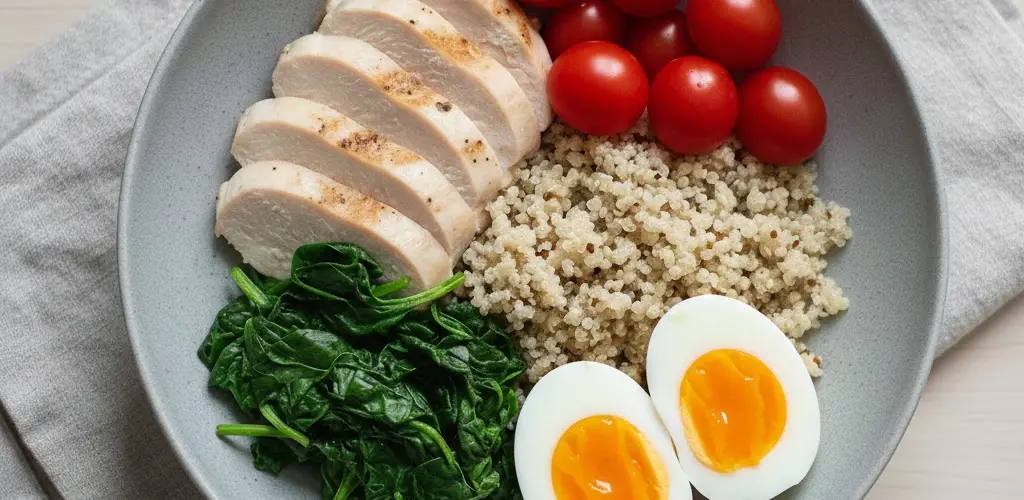
Best Breakfast Meats (2026 Guide): High-Protein, Pork-Free Picks
Best breakfast meats are one of the simplest ways to build a satisfying, protein-focused start to the day. In 2026, people are less interested in rigid food rules and more focused on foods that work; foods that are quick, filling, adaptable, and compatible with different health goals and household preferences.
This pillar guide breaks down the best breakfast meats for modern routines. You’ll find nutrition explanations (not just tables), real-world use cases, buying tips, storage guidance, and practical breakfast patterns you can actually repeat during the week. All options are pork-free and designed to work for families, meal prep, and busy mornings without calling attention to labels.
Why Best Breakfast Meats Matter in 2026

Breakfast has quietly become the most functional meal of the day. For many people, it sets the tone for energy, appetite, and food choices that follow.
The best breakfast meats matter because they:
- Deliver complete protein with minimal prep
- Help you stay full through the morning
- Reduce reliance on refined or sugary foods
- Make breakfast repeatable, not exhausting
Instead of elaborate recipes, most people now build breakfast around one reliable protein, then add eggs, grains, vegetables, or fruit depending on time and appetite. Breakfast meats work well in this role because they’re predictable, easy to portion, and flexible across cuisines. For people who eat breakfast meat regularly, the focus has shifted toward protein density per calorie, moderate sodium, and less processing, especially for weekday meals.
If you want quick, protein-forward meal ideas built around these meats, see grab-and-go breakfast recipes for simple breakfasts that work on busy mornings.
Why Pork-Free Breakfast Meats Are Gaining Popularity
Pork-free breakfast meats have become mainstream for reasons that go well beyond any single diet trend.
Many households gravitate toward poultry, seafood, and plant-based options because they:
- Feel lighter earlier in the day
- Are easier to season and pair with eggs or grains
- Work across mixed dietary preferences
- Fit more easily into family and group meals
Improved quality has also played a role. Turkey sausage, chicken-based products, and plant-based alternatives have improved significantly in texture and flavor over the past few years. Today, these options aren’t compromises. They’re often first choices.
Is Breakfast Meat Healthy?
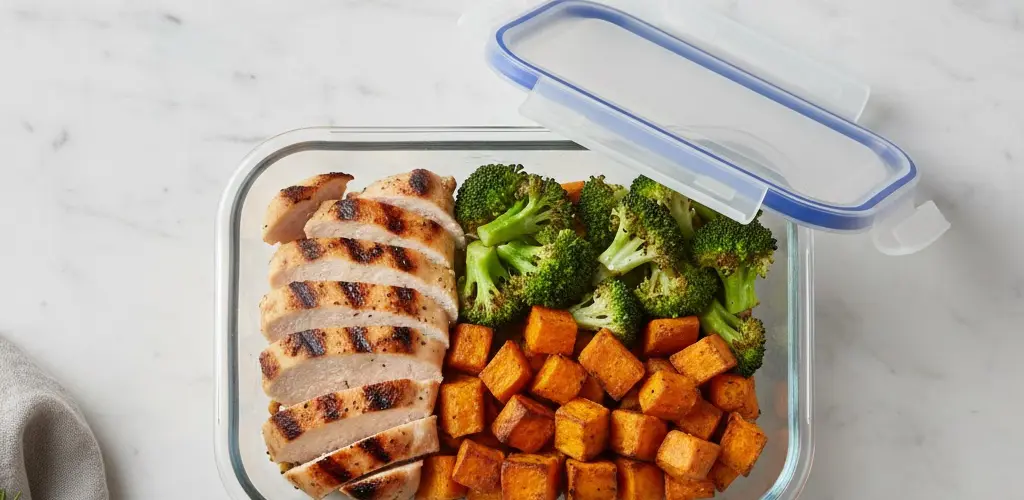
Breakfast meat can be healthy, but the answer depends on which meat you choose, how often you eat it, and how it fits into the rest of your meal. In 2026, most nutrition guidance has moved away from blanket rules and toward context and patterns.
The healthiest breakfast meats tend to share three traits:
- High protein relative to calories
- Moderate fat, especially for daily use
- Sodium levels that make sense for regular eating
When those factors are balanced, breakfast meat can be a practical part of a healthy routine rather than something to avoid.
When Breakfast Meat Supports Health
Breakfast meat works best when it helps you:
- Stay full through the morning
- Avoid heavy reliance on refined carbohydrates
- Build meals that are easy to repeat
Lean options like chicken breast and turkey-based meats are especially useful for frequent breakfasts because they deliver protein without excess calories. These choices support weight management, muscle maintenance, and steady energy, particularly for people with busy or sedentary workdays.
Smoked fish and minimally processed poultry also fit well when paired with vegetables, eggs, or whole grains rather than eaten on their own.
When Breakfast Meat Can Be Less Ideal
Breakfast meat becomes less supportive of health when:
- Portions are very large
- High-sodium options are eaten daily
- Meals rely only on processed meats without fresh foods
Richer meats such as beef or lamb sausages are more energy-dense. They can absolutely fit into a healthy routine, but they tend to work better a few times per week or on higher-activity days rather than as a daily staple.
This isn’t about elimination. It’s about frequency and balance.
Processed vs. Less Processed Breakfast Meats
Processing level matters more than many people realize.
- Less processed options (plain poultry cuts, simple smoked fish) are easier to eat regularly
- More processed options (sausages with long ingredient lists) are better rotated
Eating processed breakfast meats occasionally is realistic for most households. The healthiest long-term pattern usually includes a mix of lean, minimally processed options alongside more flavorful choices.
What a Healthy Breakfast Meat Meal Looks Like
Rather than judging the meat alone, it helps to look at the full plate.
Health-supportive breakfast patterns often include:
- A moderate portion of breakfast meat
- Eggs, vegetables, or whole grains
- Minimal added sauces or heavy sides
Examples:
- Chicken breast with vegetables and toast
- Turkey sausage with eggs and sautéed greens
- Smoked fish with whole-grain bread and fresh vegetables
These combinations provide protein, fiber, and energy without feeling heavy.
Bottom Line on Breakfast Meat and Health
Breakfast meat is not automatically unhealthy. When chosen thoughtfully and eaten in balanced meals, it can be a convenient, protein-rich foundation for breakfast.
The healthiest approach is not to avoid breakfast meat, but to:
- Choose leaner options more often
- Rotate richer meats
- Keep portions reasonable
- Pair meats with fresh, lower-sodium foods
Used this way, breakfast meat supports consistency, satisfaction, and long-term habits—exactly what most people are aiming for in 2026.
Understanding Breakfast Meat Nutrition (Mini Guide)
Nutrition labels are useful, but they don’t always explain why certain breakfast meats feel better to eat regularly than others. Three concepts matter most: protein density, fat balance, and sodium context.
Protein Density Explained (Why It Matters More Than You Think)
Protein density means how much protein you get relative to calories. At breakfast, this matters because you’re trying to feel full without overshooting your daily calorie needs.
- Chicken breast delivers very high protein with relatively low calories. This makes it especially helpful for weight management or anyone who sits most of the day.
- Turkey sausage offers a strong middle ground: good protein with enough fat to feel satisfying.
- Beef and lamb sausages are more energy-dense. They provide solid protein, but with more calories from fat.
In practical terms:
- Higher protein density → easier to stay full without heaviness
- Lower protein density → better suited for very active days or slower mornings
If sodium is something you’re watching, pairing breakfast meats with lighter sides from lean and green recipes helps keep meals balanced without losing flavor.
Fat in Breakfast Meats: Context Matters
Fat is not automatically a problem. In fact, fat contributes to satiety and flavor. The issue is frequency and balance, not presence.
- Leaner options (chicken breast, turkey-based meats) work well for daily breakfasts.
- Richer options (beef sausage, lamb sausage, duck breast) are better rotated through the week.
- Portion size often matters more than the specific meat.
A common pattern that works well: lean meats on workdays, richer breakfasts on weekends.
Sodium and Processed Meats (A Practical View)
Breakfast meats vary widely in sodium. Starting the day with very high sodium can limit flexibility later, especially if lunch and dinner include packaged foods.
Key points:
- Daily breakfasts work best with moderate sodium
- Canned meats and sausages tend to be higher
- Fresh sides (eggs, vegetables, grains) help balance meals
Simple strategies include rotating meats, using smaller portions of stronger-flavored options, and pairing them with low-sodium foods rather than avoiding them entirely.
Fast Comparison: Nutrition, Cost, and Prep Time
This section gives a quick, side-by-side look at how popular breakfast meats compare before diving deeper.
Nutrition Snapshot (per 100 g)
| Breakfast Meat | Protein | Fat | Sodium | Calories |
|---|---|---|---|---|
| Turkey sausage | 23 g | 9 g | 620 mg | 196 |
| Chicken breast | 31 g | 3 g | 75 mg | 165 |
| Canned corned beef | 25 g | 15 g | 950 mg | 250 |
| Beef sausage | 22 g | 18 g | 720 mg | 270 |
| Smoked salmon | 20 g | 10 g | 672 mg | 208 |
| Lamb sausage | 21 g | 20 g | 740 mg | 290 |
| Duck breast | 27 g | 14 g | 65 mg | 240 |
| Plant-based sausage | 17 g | 13 g | 540 mg | 210 |
Values based on USDA averages and major U.S. grocery brands.
Cost and Prep Time (Per Serving)
| Breakfast Meat | Avg Cost | Prep Time | Meal-Prep Friendly |
|---|---|---|---|
| Turkey sausage | $1.80 | 8 min | Yes |
| Chicken breast | $2.10 | 10 min | Yes |
| Canned corned beef | $1.50 | 5 min | Yes |
| Beef sausage | $2.40 | 10 min | Yes |
| Smoked salmon | $5.50 | 0 min | Yes |
| Lamb sausage | $4.20 | 12 min | Yes |
| Duck breast | $6.00 | 15 min | Yes |
| Plant-based sausage | $2.80 | 7 min | Yes |
Quick interpretation:
- Best daily balance → chicken breast, turkey sausage
- Fastest mornings → smoked salmon, canned options
- Most filling → beef and lamb sausages
Planning meals around protein can help control grocery costs, especially when breakfast leftovers are reused for lunch.
If you’re planning protein-focused meals while managing costs, quick lunch recipes for busy weekdays offer useful ideas that overlap well with breakfast meats and leftovers.
Best Breakfast Meats by Budget
Budget-Friendly Staples
Turkey sausage consistently ranks among the best breakfast meats because it balances cost, protein, and convenience. It works in scrambles, wraps, bowls, and alongside eggs without overpowering the meal.
Canned corned beef remains a budget option with strong flavor. Because it’s intense, smaller portions paired with grains or vegetables work best.
Many of these budget-friendly breakfast meats work well in make-ahead meals, and you can turn them into simple weekday options using quick gluten-free breakfast ideas.
Mid-Range Everyday Options
Chicken breast offers unmatched protein efficiency. Thin slicing makes it realistic even on busy mornings, especially when batch-cooked.
Beef sausage is richer and more filling, making it useful on physically demanding days.
Plant-based sausage adds variety and flexibility for households that like rotating protein sources.
Premium Breakfast Meats
Smoked salmon requires no cooking and works well for rushed mornings.
Duck breast and lamb sausage bring bold flavor and are best enjoyed occasionally rather than daily.
Best Breakfast Meats by Goal
For Weight Management
Lean, high-protein meats help control appetite.
Good patterns:
- Chicken breast with vegetables and one slice of whole-grain toast
- Turkey sausage with eggs and sautéed greens
For Muscle Gain or Active Days
Richer meats help meet higher calorie needs.
Good patterns:
- Duck breast over a grain bowl with eggs
- Beef sausage with potatoes and vegetables
For Super-Busy Mornings
Minimal prep matters more than perfection.
Good patterns:
- Smoked salmon with toast and sliced vegetables
- Pre-cooked turkey sausage with microwaved eggs
Buyer’s Guide: Choosing Better Breakfast Meats
Reading Labels (What to Look For)
Turkey or chicken sausage
- Check protein per serving
- Watch for high sodium
- Prefer simpler ingredient lists
Smoked salmon
- Look for minimal sweeteners
- Check whether flavorings dominate
- Texture and freshness matter more than brand
Canned meats and beef sausages
- Stronger flavor = smaller portions
- Better rotated than eaten daily
If You Eat Breakfast Meat Most Days
Simple rules:
- Rotate lean and richer options
- Don’t rely on highly processed meats daily
- Pair with fresh foods to balance meals
Meal Prep, Storage, and Food Safety Tips
Storage Times
Refrigerator (cooked):
- Poultry & sausages: 3–4 days
- Smoked salmon: 2–3 days after opening
Freezer:
- Most cooked breakfast meats: up to 2 months
- Slice before freezing for faster reheating
Reheating Tips
- Use a skillet with a splash of water to prevent dryness
- Microwave in short bursts, covered
- Avoid reheating the same portion multiple times
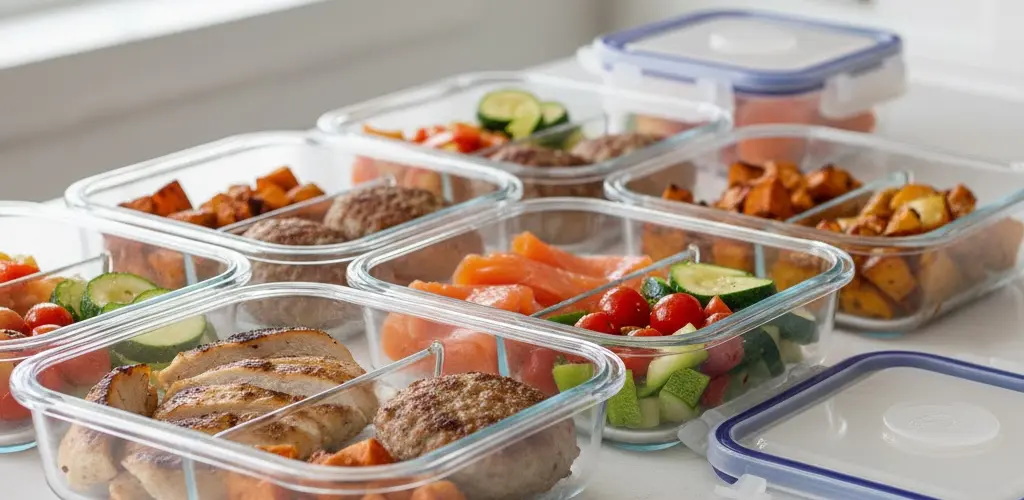
Batch-Cooking Strategy That Works
Choose:
- One lean protein
- One richer protein
Cook both once, portion them, and rotate through the week. This keeps breakfast interesting without extra work.
Batch cooking breakfast meats once or twice per week can save significant time and reduce decision fatigue in the mornings.
For breakfast bowls that can be prepped ahead and mixed with savory proteins, explore healthy sweet breakfast ideas and adapt them with eggs or breakfast meats.
Frequently Asked Questions
Is it healthy to eat breakfast meat every day?
Yes, especially when rotating lean and richer options and keeping portions reasonable.
What is the healthiest pork-free breakfast meat?
Chicken breast and turkey-based options tend to work best for frequent use.
Are plant-based sausages better than meat sausages?
They can be useful, but protein content and sodium vary widely.
Can I reach 30 g of protein without processed meats?
Yes. Poultry, eggs, and seafood combinations make this achievable.
What if I don’t like eggs?
Breakfast meats paired with grains, vegetables, or dairy can still deliver high protein.
Final Thoughts
The best breakfast meats aren’t about trends. They’re about practicality. When you choose meats that match your schedule, goals, and household needs, breakfast becomes simpler, more satisfying, and easier to sustain long-term.
This guide is designed to be a reference you can return to, whether you’re planning a week of quick breakfasts or rethinking how protein fits into your mornings..